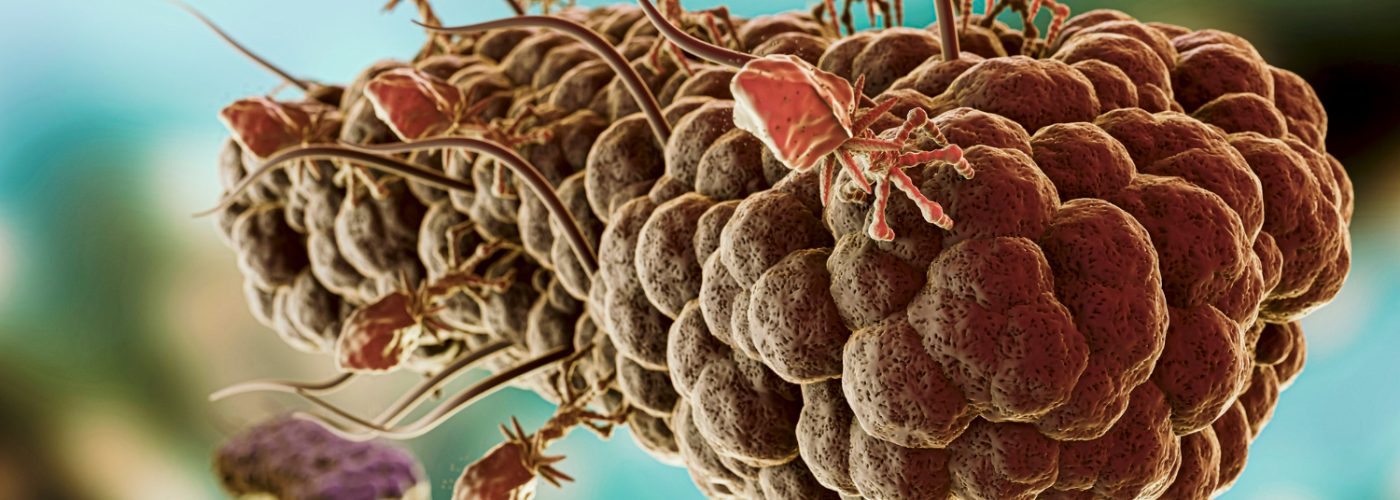
Cancer is often described as a disease of uncontrolled cell growth, but this definition only scratches the surface. In reality, tumors behave less like isolated masses and more like complex ecosystems. At the center of this ecosystem is the tumor microenvironment (TME)—a dynamic network of cells, molecules, and blood vessels that surround and support cancer cells.
The TME includes immune cells, fibroblasts, signaling molecules, and the extracellular matrix. Rather than fighting the tumor, many of these components are hijacked by cancer cells to promote growth, suppress immune responses, and enable metastasis. For example, tumor-associated macrophages (TAMs) often shift into a pro-tumor state, secreting factors that encourage angiogenesis—the formation of new blood vessels—which supplies nutrients and oxygen to the tumor.
One of the most critical features of the TME is immune evasion. Cancer cells manipulate immune checkpoints, such as PD-1/PD-L1 pathways, to avoid detection. This discovery led to the development of immunotherapies that “release the brakes” on the immune system, allowing it to recognize and destroy cancer cells more effectively. Drugs targeting these pathways have revolutionized treatment for cancers like melanoma and lung cancer.
Another key player in the TME is hypoxia, or low oxygen levels. As tumors grow rapidly, they often outpace their blood supply, creating oxygen-deprived regions. Hypoxia triggers genetic and metabolic changes that make cancer cells more aggressive and resistant to therapy. It also promotes metastasis by enabling cancer cells to migrate to other parts of the body.
The extracellular matrix (ECM), a structural scaffold surrounding cells, also undergoes remodeling in the TME. This remodeling stiffens the tissue, facilitating tumor invasion and creating barriers that limit drug delivery. As a result, many therapies fail not because the drugs are ineffective, but because they cannot reach their target.
Understanding the tumor microenvironment has shifted the paradigm of cancer treatment. Instead of targeting only cancer cells, researchers are now developing therapies that disrupt the supportive ecosystem around them. Strategies include reprogramming immune cells, normalizing blood vessels, and modifying the ECM to improve drug penetration.
In the future, personalized medicine will likely integrate TME profiling to tailor treatments for individual patients. By analyzing the unique characteristics of a patient’s tumor microenvironment, clinicians can select therapies that are more likely to succeed.
Cancer is not just a cellular disease—it is an ecological one. By targeting the environment that sustains tumors, we move closer to more effective and durable treatments.