
EMA flags safety concerns over long-term use of JAK inhibitors in autoimmune patient populations
The European Medicines Agency (EMA) has raised important safety concerns regarding the long-term use of Janus kinase (JAK) inhibitors in patients with autoimmune diseases. Widely prescribed for conditions such as rheumatoid arthritis, psoriasis, and inflammatory bowel disease, these therapies have

Novo Nordisk acquires rare disease biotech Genscribe for $3.2B in rare disease expansion push
Novo Nordisk has taken a significant step in strengthening its rare disease portfolio with the $3.2 billion acquisition of Genscribe. This strategic move underscores Novo Nordisk’s commitment to expanding beyond its core focus areas and addressing unmet medical needs in

10 cell therapy start-ups that raised Series A funding in Q1 2026 — who to watch
The first quarter of 2026 has highlighted a strong resurgence of investor confidence in cell therapy startups, with multiple companies securing significant Series A funding to advance next-generation treatments. These startups are not only pushing the boundaries of oncology-focused CAR-T

Eli Lilly’s next-generation GLP-1 candidate shows superior weight-loss versus Ozempic in Phase II
Eli Lilly and Company’s next-generation GLP-1 receptor agonist is generating significant attention after delivering superior weight-loss results compared to Ozempic in a recent Phase II clinical trial. The investigational therapy builds on the growing success of GLP-1–based treatments, which mimic

FDA approves first oral treatment for geographic atrophy — avacincaptad pegol cleared
The approval of avacincaptad pegol marks a significant milestone in the treatment of geographic atrophy (GA), an advanced form of age-related macular degeneration (AMD) that can lead to irreversible vision loss. With no widely accessible oral therapies previously available, this

5 CRISPR biotechs reshaping inherited disease treatment — companies to watch in 2026
The rapid evolution of CRISPR gene-editing technologies is transforming how inherited diseases are treated, shifting the focus from symptom management to potential one-time, curative therapies. In 2026, a new wave of biotech innovators is leading this revolution, leveraging precision editing
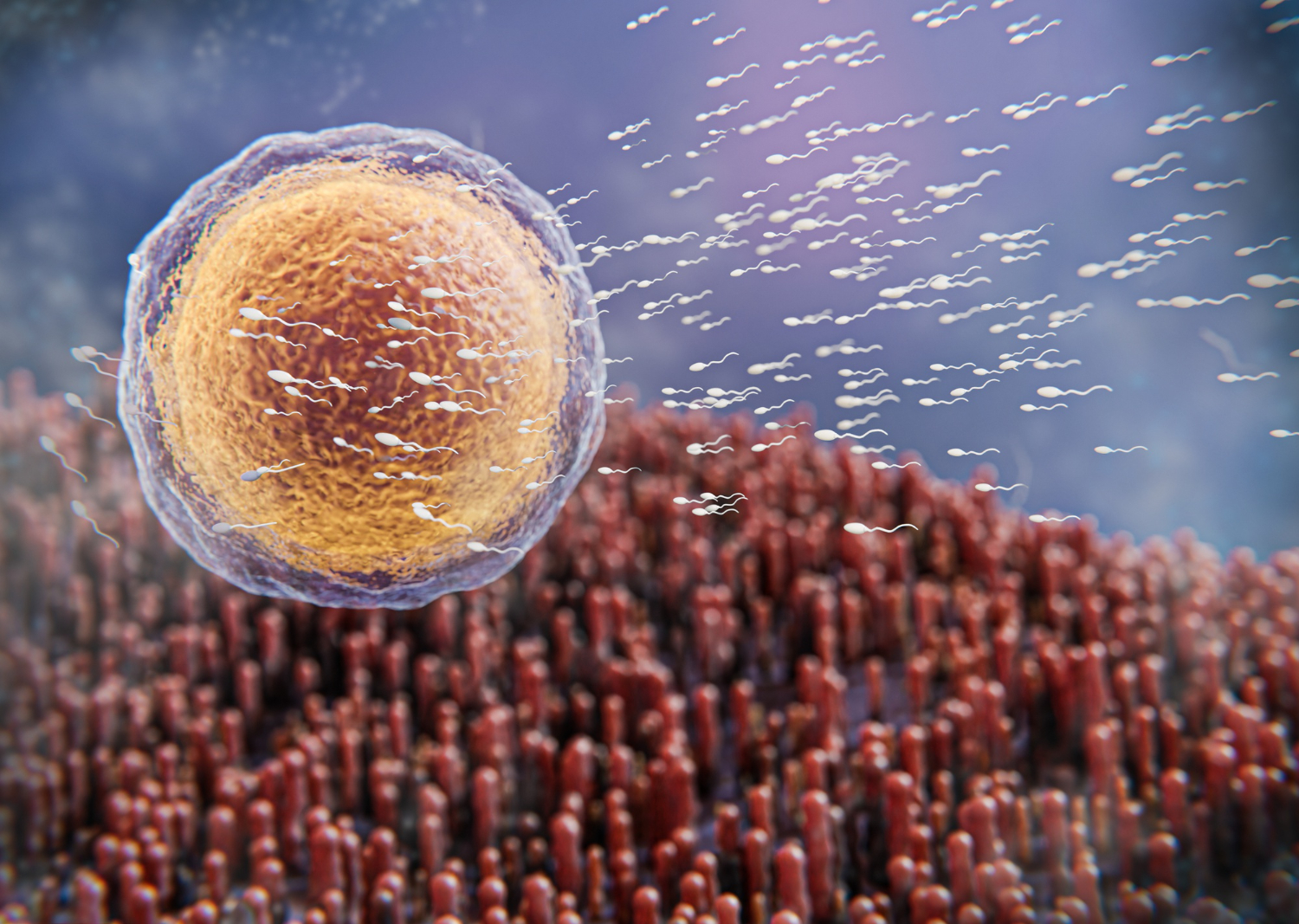
Liquid-liquid phase separation governs transcription factor clustering in embryonic stem cells
Liquid–liquid phase separation (LLPS) has emerged as a fundamental mechanism for organizing the complex molecular environment within cells. In embryonic stem cells (ESCs), this process plays a crucial role in regulating gene expression by enabling transcription factors to form dynamic,
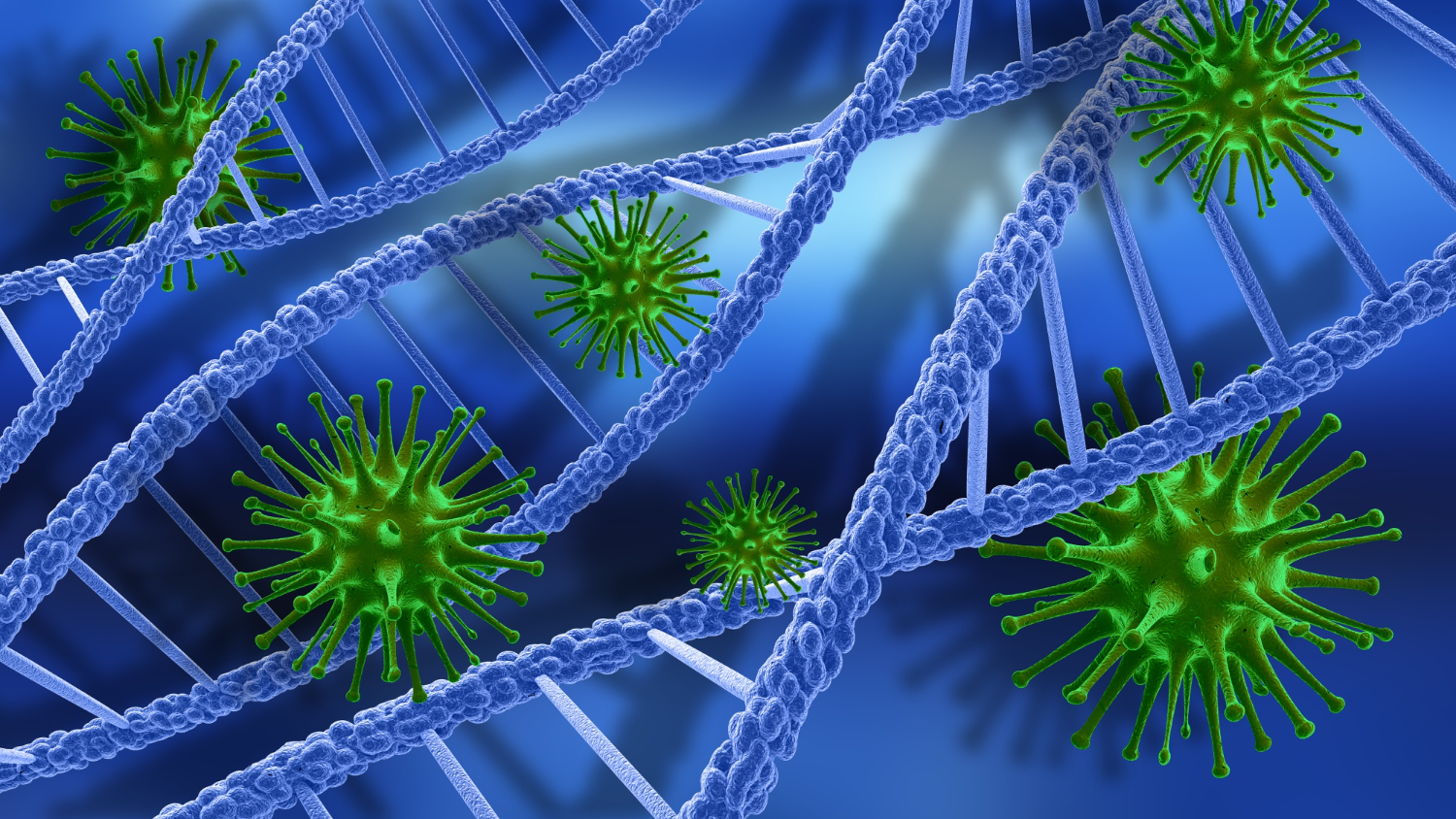
New class of broad-spectrum antivirals blocks RNA replication across 12 pandemic-risk virus families
A new generation of broad-spectrum antivirals is redefining how we prepare for future pandemics. Unlike traditional treatments that target a single virus, these innovative compounds are designed to block RNA replication across a wide range of viral families—up to 12

AI-designed PROTAC clears toxic tau aggregates in Alzheimer’s model with a single systemic dose
A new breakthrough in targeted protein degradation is reshaping the future of Alzheimer’s treatment. Researchers have developed an AI-designed PROTAC (Proteolysis Targeting Chimera) capable of selectively eliminating toxic tau protein aggregates—one of the primary drivers of neurodegeneration in Alzheimer’s disease.