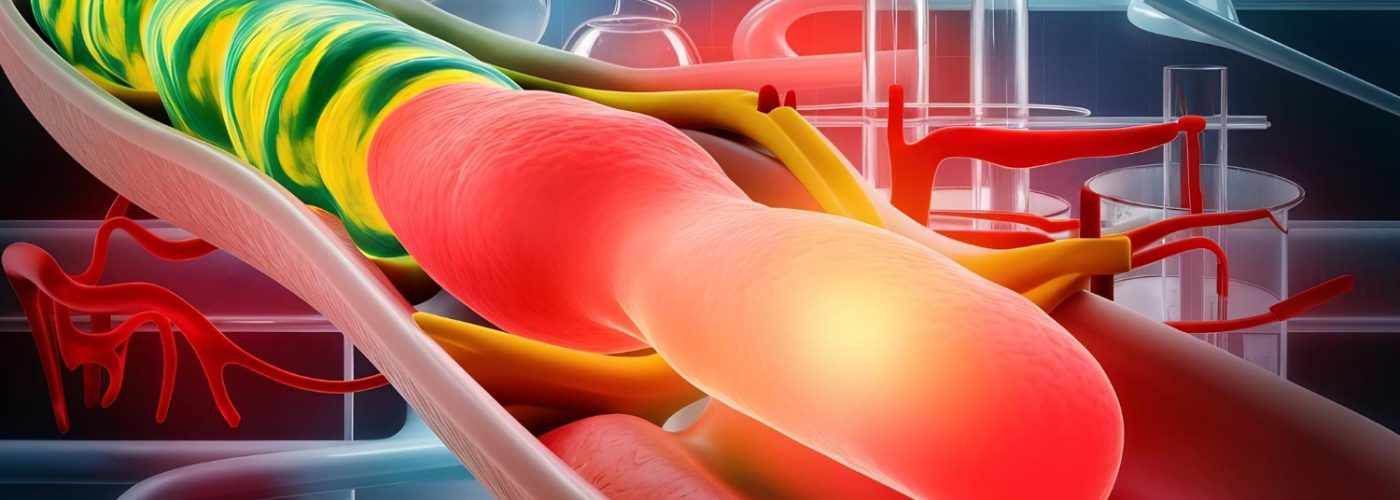
Atherosclerosis is the underlying cause of most cardiovascular diseases, including heart attacks and strokes. Traditionally viewed as a simple accumulation of cholesterol in the arteries, it is now recognized as a chronic inflammatory disease driven by complex biological processes involving lipids, immune cells, and vascular tissue.
The process begins with endothelial dysfunction, often triggered by factors such as smoking, high cholesterol, diabetes, and hypertension. This dysfunction allows low-density lipoprotein (LDL) particles to infiltrate the arterial wall, where they undergo oxidation. These oxidized lipids act as signals that attract immune cells, particularly macrophages, which engulf them and transform into foam cells. Over time, these foam cells accumulate, forming fatty streaks—the earliest visible signs of atherosclerosis.
As the disease progresses, smooth muscle cells migrate to the site and produce extracellular matrix components, forming a fibrous cap over the lipid core. While this cap initially stabilizes the plaque, it can become vulnerable due to ongoing inflammation. When a plaque ruptures, it can trigger the formation of a blood clot, leading to sudden and often fatal cardiovascular events.
Recent advances in cardiovascular research have shifted the focus from cholesterol alone to inflammation as a key driver of atherosclerosis. Clinical trials targeting inflammatory pathways have shown promising results, suggesting that reducing inflammation can significantly lower cardiovascular risk, even in patients with well-controlled cholesterol levels.
Prevention strategies are evolving accordingly. While statins remain a cornerstone of therapy, newer approaches include PCSK9 inhibitors, anti-inflammatory drugs, and lifestyle interventions aimed at reducing systemic inflammation. Diets rich in antioxidants, regular exercise, and smoking cessation are now recognized as critical components of prevention.
The future of atherosclerosis management lies in early detection and precision medicine. Imaging technologies such as coronary CT angiography and biomarkers of inflammation are being used to identify high-risk individuals before symptoms occur. Combined with AI-driven analytics, these tools have the potential to revolutionize how we predict and prevent cardiovascular disease.