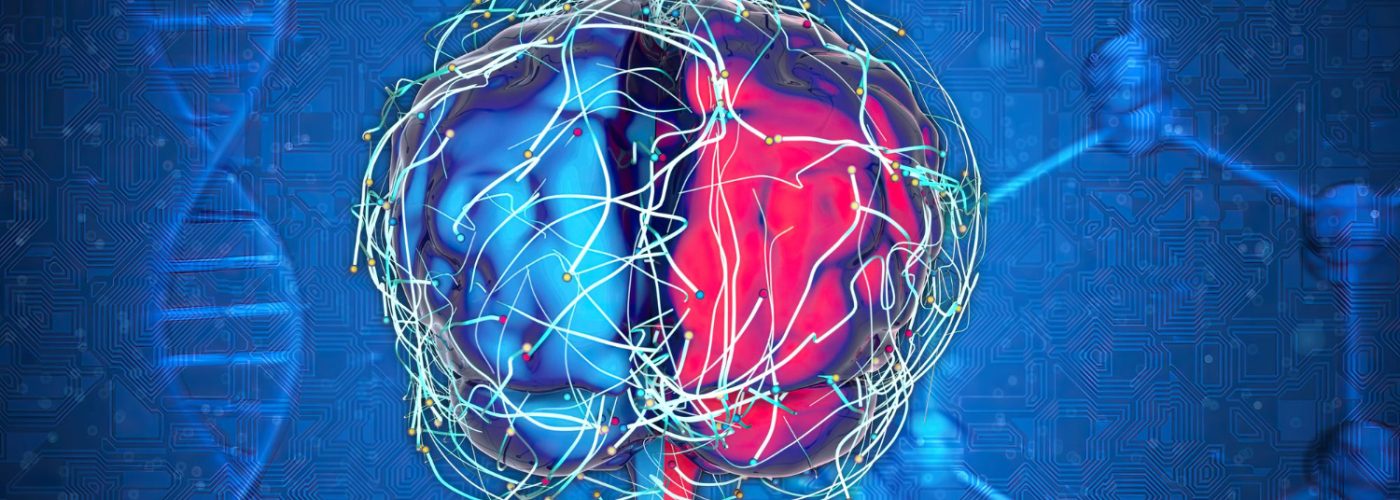
Recent advances in neuroscience are reshaping our understanding of how the brain refines and preserves memories, and astrocytes—once thought to be merely supportive cells—are now taking center stage. Emerging research suggests that astrocytes actively participate in synaptic pruning during sleep, offering a compelling new mechanism for memory consolidation. Rather than neurons working alone, the brain appears to rely on a coordinated partnership between neurons and glial cells to optimize learning.
During wakefulness, the brain forms countless synaptic connections as we absorb new information and experiences. However, not all of these connections are necessary or beneficial. Sleep provides a critical window for the brain to evaluate and reorganize these neural pathways. Astrocytes, star-shaped glial cells, play a key role in this process by identifying and selectively eliminating weaker or redundant synapses. This pruning enhances the efficiency of neural networks, allowing important memories to be strengthened while irrelevant information is discarded.
What makes this discovery particularly significant is the dynamic and active role astrocytes play. Using molecular signaling and close interaction with synapses, astrocytes can “tag” synapses for removal and facilitate their clearance. This process is believed to work in tandem with other sleep-related mechanisms, such as slow-wave activity, to fine-tune brain circuitry.
Understanding astrocyte-driven synaptic pruning opens new avenues for exploring cognitive health and neurological disorders. Disruptions in this process could contribute to conditions like Alzheimer’s disease, autism, or schizophrenia, where synaptic balance is impaired. It also reinforces the importance of quality sleep, not just for rest, but as a fundamental biological process for maintaining brain health.
As research continues, astrocytes are no longer in the background—they are emerging as essential players in how we learn, remember, and adapt.